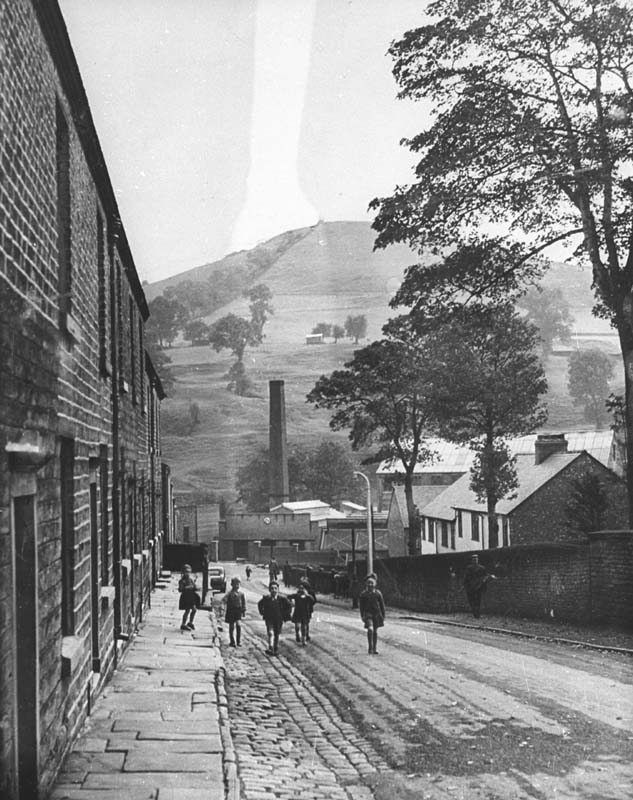
Just one car! The site of Higher mills, at the far end of the street, was occupied at this time and for many years by Shrigley Dyers, motto ‘We live to dye’! The houses on the right were built by the council in 1937.
Categories 2: Building
-
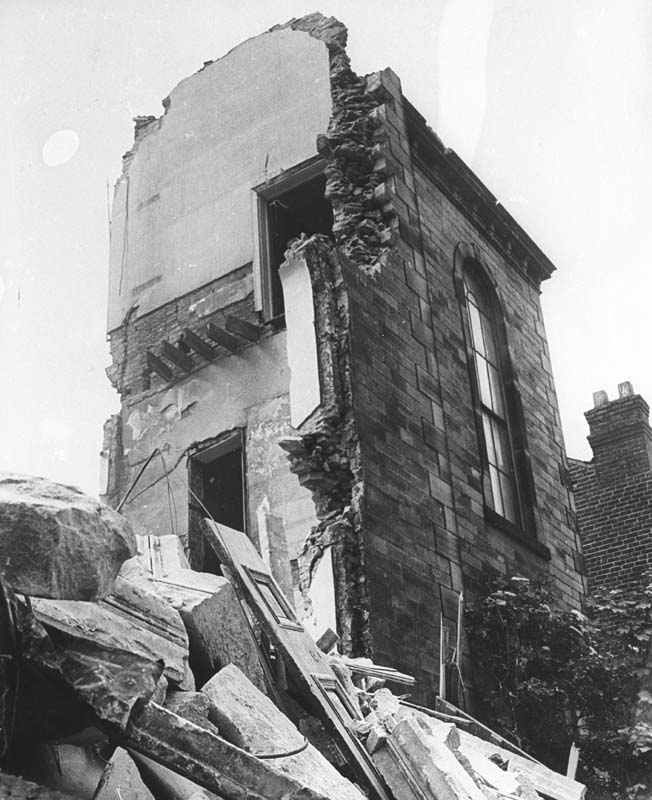
Demolition of large Sunday School
This was located at the bottom of Hurst Lane, where the Civic Hall and Library are today.
-
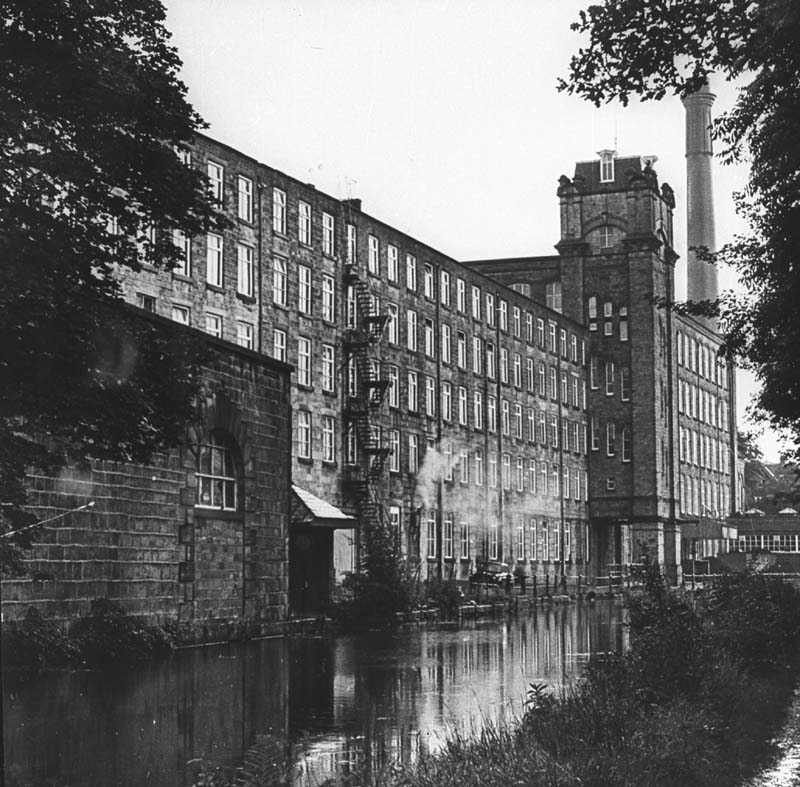
Clarence mill
Bollington’s largest cotton mill pictured close to the end of production. Notice the top of the chimney is complete – the top 3m were removed in 1977; the boiler house at the entrance to canal side, at the far end of the mill, was still in place; the awning roof over the loading bay. Behind the bushes on the right side it is also possible to make out the pedestrian swing bridge crossing the canal. As there is no-one close by one may asume that the bridge is left in the closed (to the canal) position all day – a testament to the lack of canal traffic in those days – most canal transport ended with the 1962-3 3 month freeze, and the leisure industry had yet to begin.
-
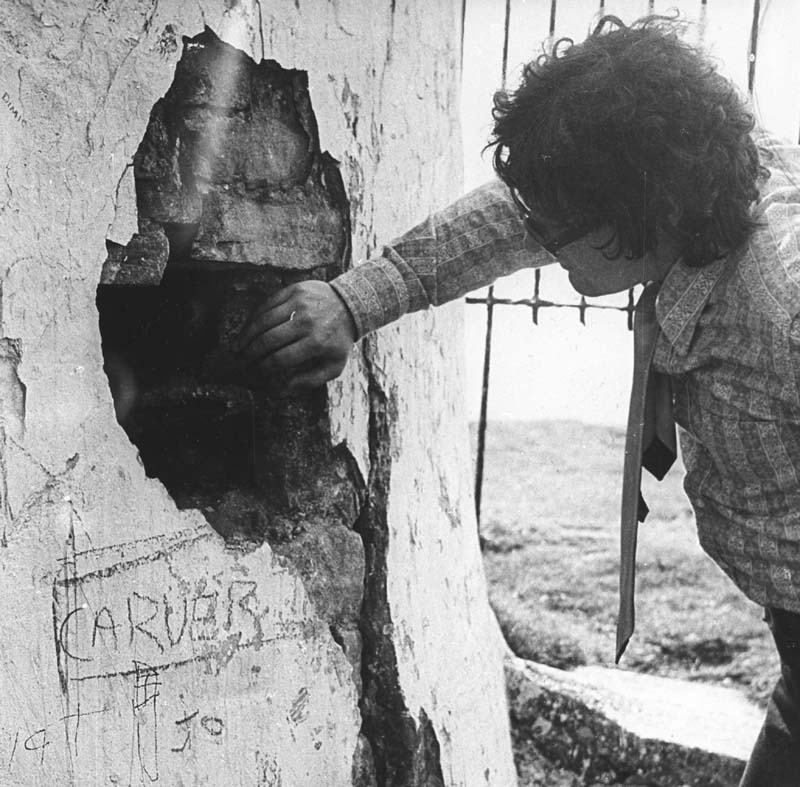
White Nancy
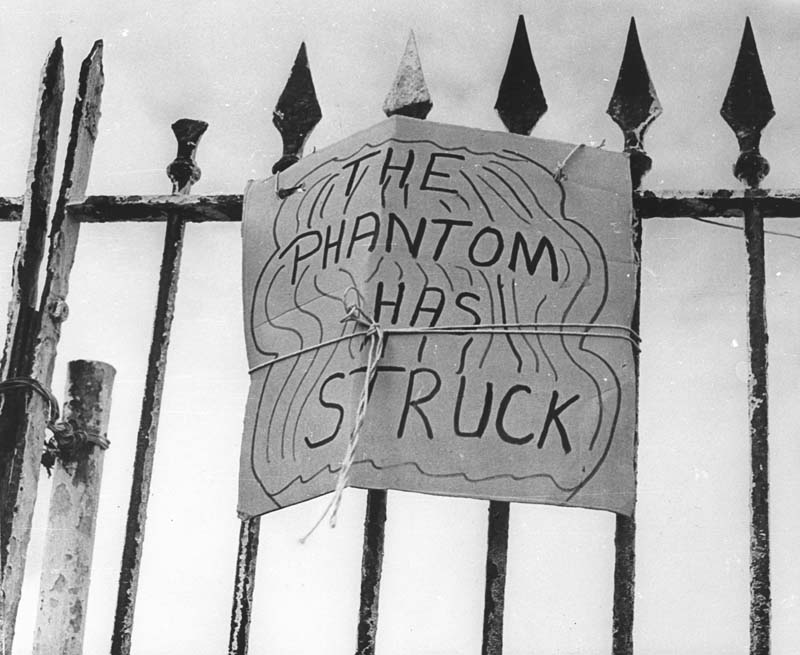
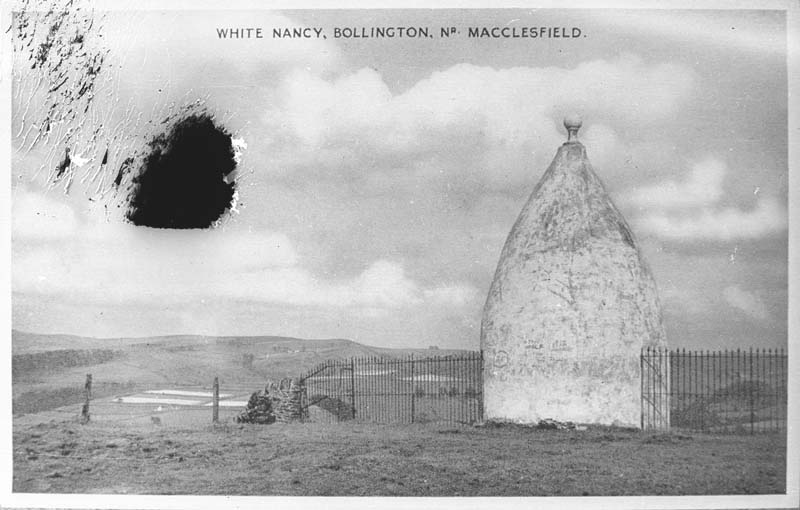
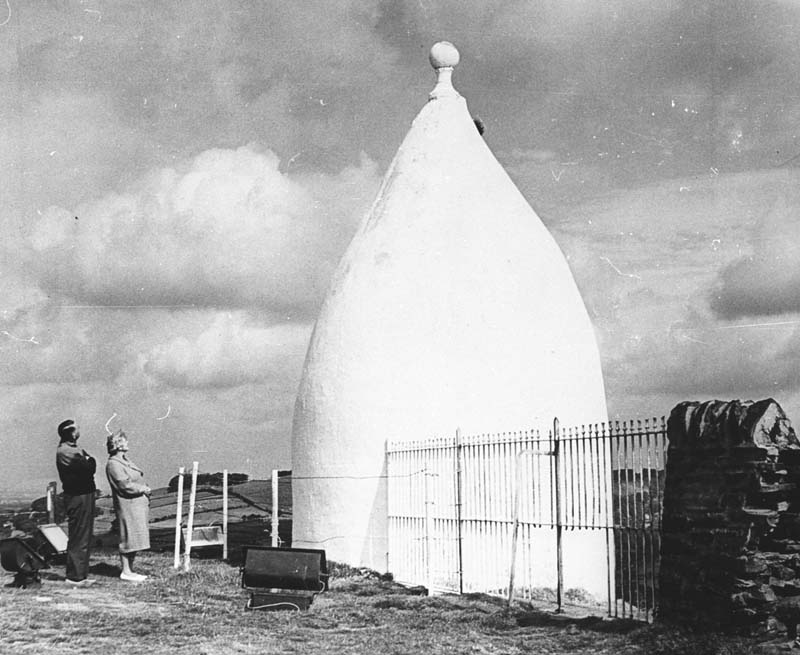
Unfortunately, White Nancy is abused from time to time. Luckily it is most usually ‘re-painted’ rather than physically damaged.
-
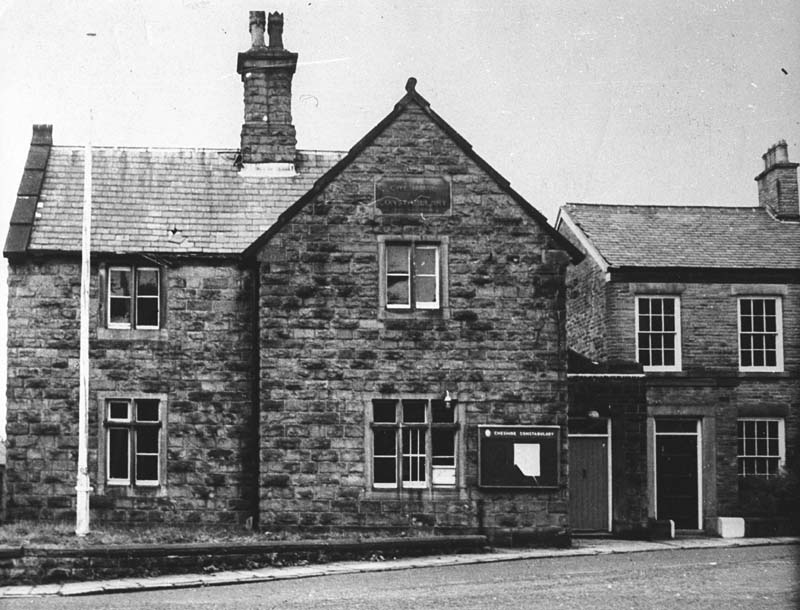
Police house
In the early 20thC there were as many as five constabl;es plus a sargent policing Bollington! This was their local police station. The Bridewell or jail was just off the right of the picture in a small square building behind the Dog & Partridge pub.
-
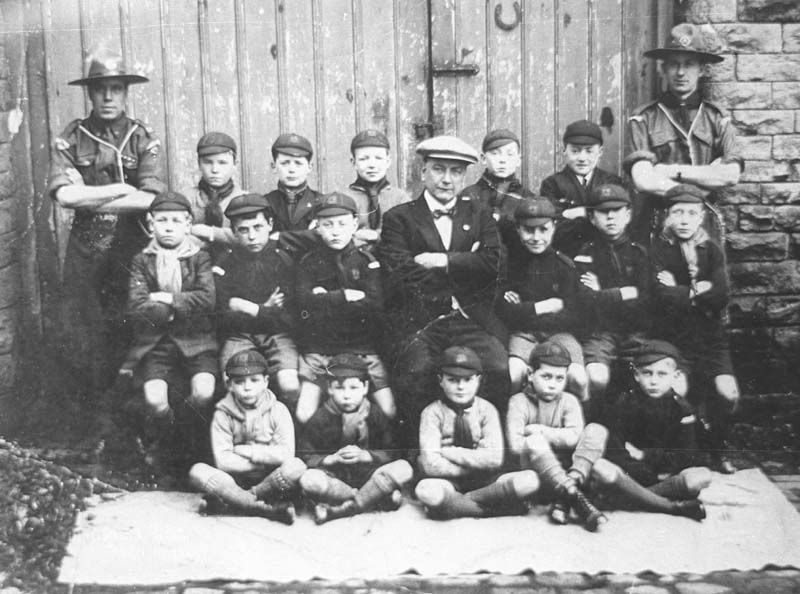
St Johns cubs
Photograph taken in front of the Coach House doors at Oak Bank House (now in Oak Bank Drive). For many years after WWII this building was used as the local scout headquarters. In 1983/4 it was restored by Chesney Orme for domestic accommodation.
Middle row 3rd from L is Granville Egerton
Front row 2nd from R is Fred Ratcliffe